10 Surprising Uses for Silicone You Never Knew About
Silicone is often associated with kitchenware and bakeware, but its versatility extends far beyond the culinary world. Here are some surprising uses for silicone that you might not have considered:
- Medical Applications: Silicone is commonly used in medical devices such as implants and catheters due to its biocompatibility, making it safe for prolonged contact with the human body.
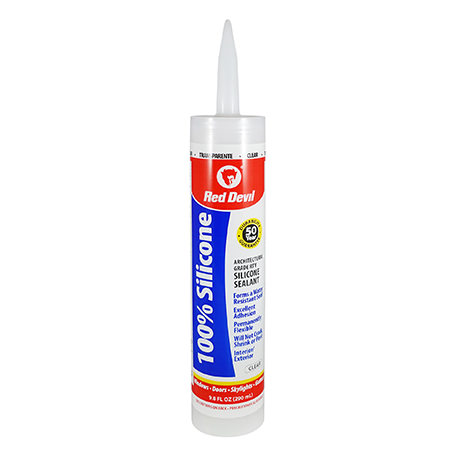
- Sealants and Adhesives: Thanks to its excellent durability and weather resistance, silicone is the go-to choice for sealants used in construction and automotive industries.
- Phone Cases: The cushioning properties of silicone make it an ideal material for phone cases, providing shock absorption to protect your devices.
- Fashion Accessories: From bracelets to watch bands, silicone is a trendy material that can be molded into various shapes and colors, appealing to fashion enthusiasts.
Beyond these conventional uses, silicone also serves practical purposes that can enhance everyday life. Consider these additional uses for silicone:
- Vibrating Massagers: Silicone is often used in the construction of safe and flexible massagers that can easily conform to user needs.
- Pet Products: Many pet accessories, such as bowls and toys, are made from silicone, making them safe, durable, and easy to clean.
- Heat-Resistant Baking Mats: These mats not only make baking a breeze but also eliminate the need for disposable parchment paper.
- Crafting Tools: Silicone molds are a crafter’s best friend, allowing for easy creation of art pieces, candles, and even soap.
Counter-Strike is a popular tactical first-person shooter game that emphasizes team-based gameplay and strategy. Players assume the role of either terrorists or counter-terrorists, with the goal of completing objectives such as planting or defusing explosives. For gamers looking to enhance their gaming experience, check out the Top 10 Lightweight Apple Watch Bands that provide comfort during long gaming sessions. The game has evolved over the years, with various versions like Counter-Strike: Global Offensive becoming a staple in competitive gaming.
The Science Behind Silicone: Why It’s the Perfect Material for Everyday Use
Silicone is a synthetic polymer that is celebrated for its remarkable properties and versatility. This material is made from a combination of silicon, oxygen, carbon, and hydrogen, enabling it to withstand high temperatures and resist moisture, chemicals, and UV radiation. Its unique molecular structure gives it flexibility and resilience, making it an ideal choice for a wide range of applications, from kitchenware to medical devices. Beyond its durability, silicone is also non-toxic, which is crucial for products that come into contact with food and the human body, ensuring safety and peace of mind for everyday users.
One of the most appealing features of silicone is its ease of maintenance and versatility in design. Silicone products are often dishwasher safe and can endure a broad spectrum of temperatures, making them suitable for both cooking and freezing. Additionally, with its inherent non-stick properties, silicone bakeware provides effortless food release, reducing the need for excess oils or sprays. As a result, silicone has become a favored material among home cooks and professional chefs alike. With its combination of strength, safety, and functionality, it's no wonder that silicone is increasingly recognized as the perfect material for everyday use.
Is Silicone Safe? Debunking Myths and Misconceptions
When it comes to the safety of silicone, a variety of myths and misconceptions often swirl around. One of the most prevalent beliefs is that silicone releases harmful chemicals, especially when heated. However, studies have shown that high-quality silicone is generally stable and safe for both food and medical uses. In fact, silicone is widely used in kitchenware, baby products, and even implants due to its non-reactive properties. It does not leach toxic substances, making it a popular choice for consumers concerned about health risks.
Another common misconception is that silicone is dangerous for the environment. Contrary to this belief, silicone is durable and long-lasting, which can actually reduce waste in the long run. While it does not biodegrade easily, innovations in recycling technology for silicone are now emerging. To put it simply, although silicone can be a concern in terms of disposal, its longevity and safety profile often make it a better choice than many alternatives. Understanding these facts can help consumers make informed choices about using silicone products.